Blogs
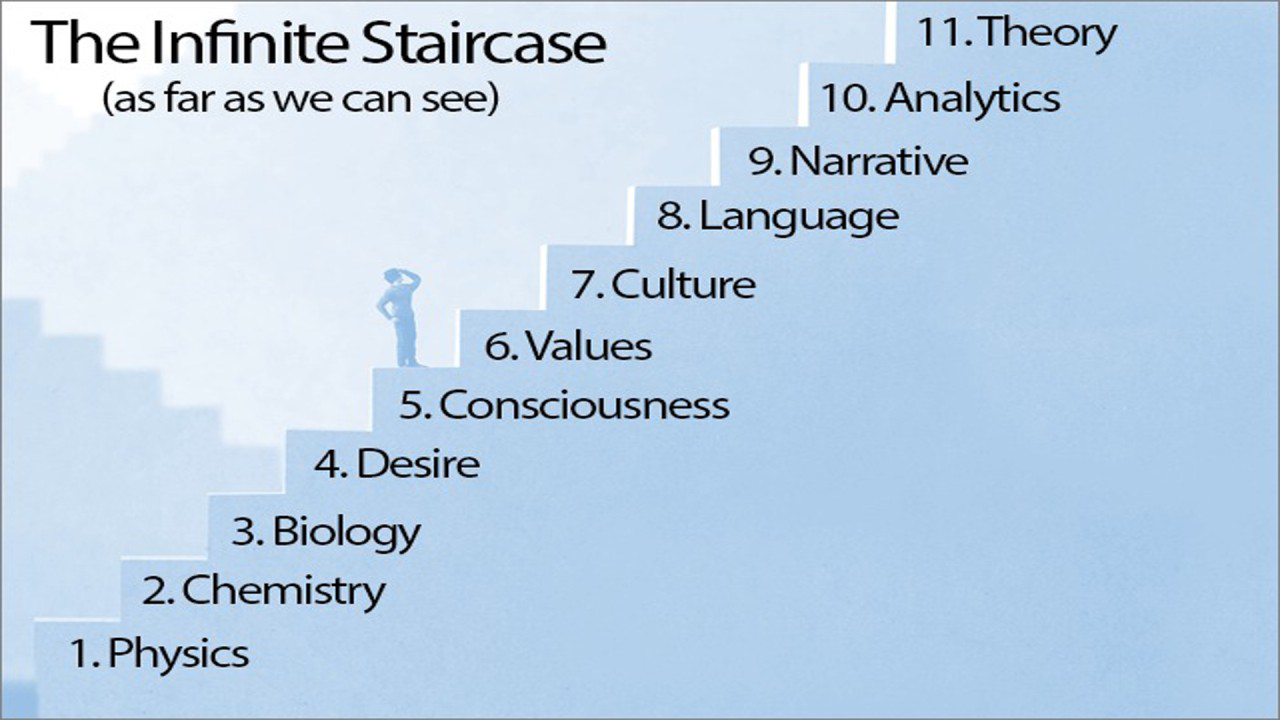
Readers of The Infinite Staircase (who are not many but whom I highly esteem) will know that it describes reality as constituted not of two but rather of eleven separate levels. At the bottom of the staircase is physics, all matter, no mind. At the top is theory, all mind, no matter. But there are nine layers in between, and here is the amazing thing. Each one is not only distinctly separable from the one above and below it, it is also defined by what I will call a characteristic attribute.
The Infinite Staircase offers readers a metaphysics and an ethics shaped by the 21st century’s understanding of how the world came to be. It has little to say, however about esthetics, and that is too large a part of human experience to neglect. With that in mind, I am going to address the topic in two short essays.
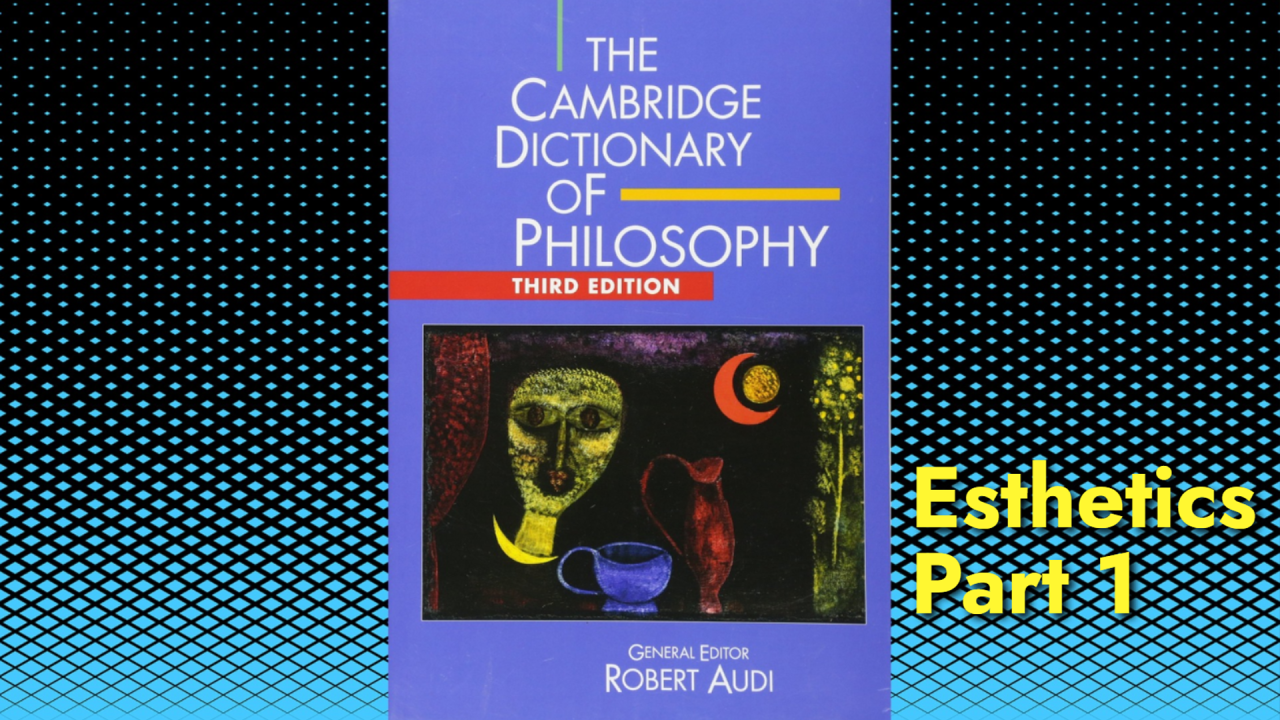
The first essay, the one you have in hand, is an interaction with The Cambridge Dictionary of Philosophy’s entry on the topic. I found myself constantly quarreling with it, and I wanted to sort out why, hence this piece. What I see now is that I was clearing a space to dig deeper into the issues I truly care about. That’s what the second essay is intended to do.

As human beings we cling to two misconceptions of life. The first is that life is fragile. That is not quite right. Living things are certainly fragile—we are all subject to injury and will eventually die. Even whole species can go extinct. But life itself is anything but fragile. It originated some 3.5 billion years ago and has subsequently taken over the entire planet—land, water, sky, even deep within the earth—and shows no signs of loosening its grip. Life per se, in other words, may be the most powerful force we can experience.